
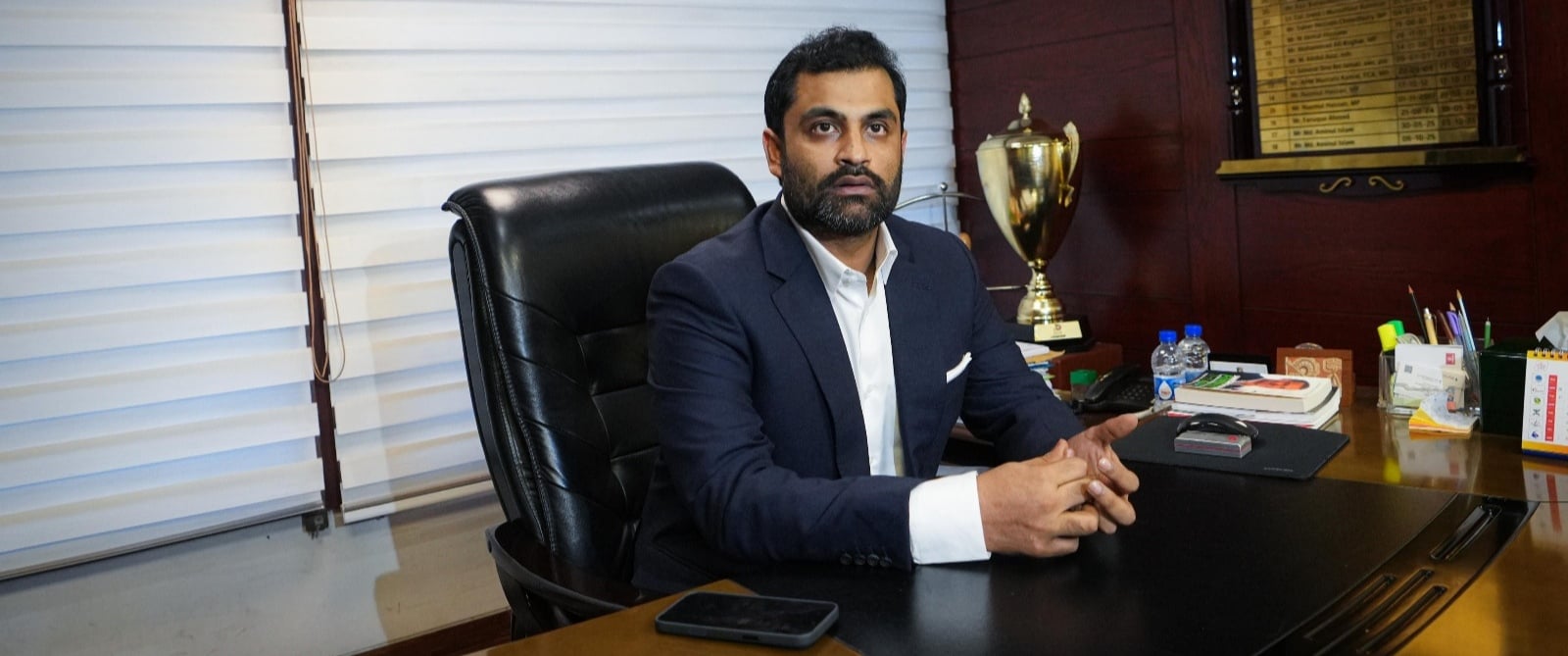
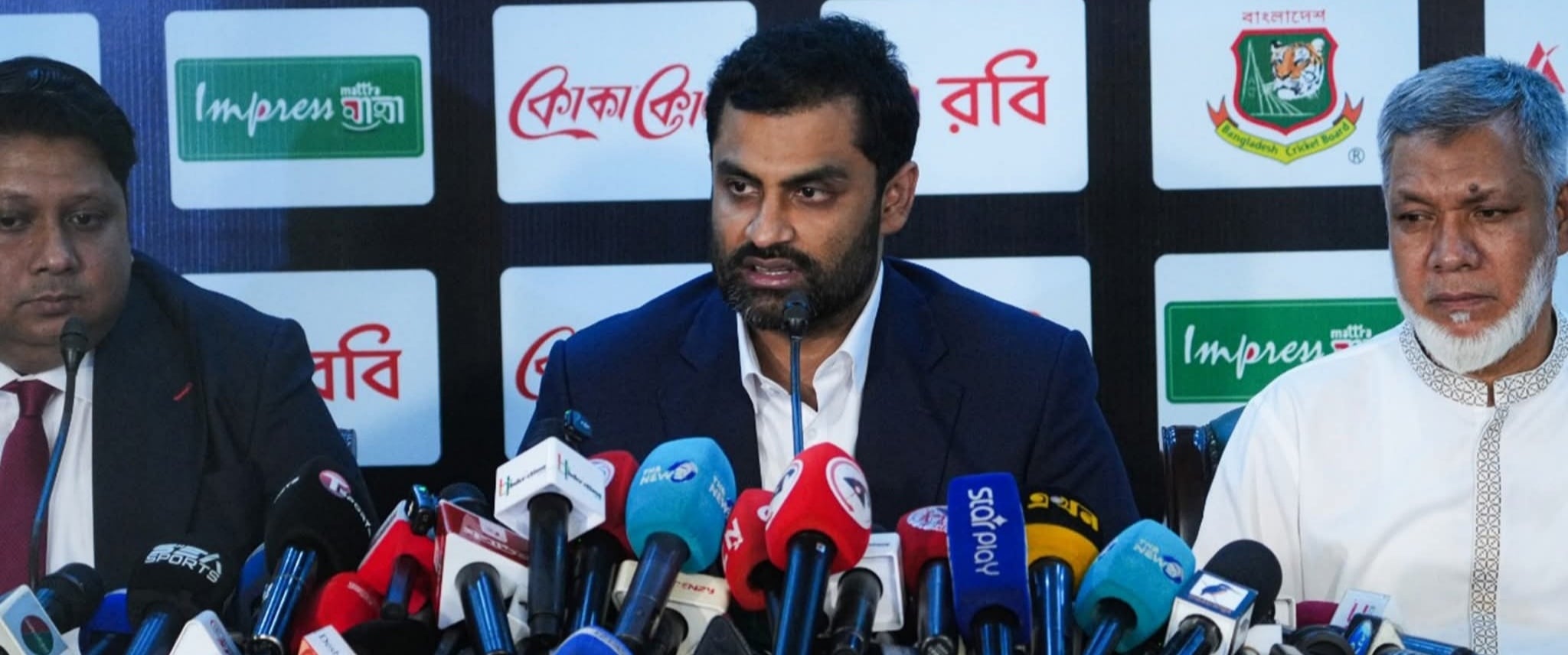
The Bangladesh Cricket Board (BCB) has been thrust into turmoil after the government‐appointed National Sports Council (NSC) abruptly dissolved the elected BCB board and installed an 11‐member ad hoc committee to run cricket affairs. Former captain Tamim Iqbal was named committee president on April 7, 2026, just hours after the NSC announced its decision at a press conference. The move follows a government probe that “found irregularities” in last October’s BCB elections. Under Section 21 of the NSC Act of 2018, the council said it has the power to dissolve a federation for proven electoral misconduct. The new Tamim‐led panel has a three-month mandate to oversee cricket operations and organize fresh elections.
Several international media outlets reported the shakeup. Reuters noted that Tamim – Bangladesh’s most capped batsman – has become the youngest-ever BCB chief after the NSC “dissolved the BCB’s board of directors”. The NSC’s sports director, Mohammed Aminul Ahesan, told reporters the committee found electoral “irregularities” and that the government informed the ICC, expecting the decision to be upheld. Similarly, ESPNcricinfo confirmed that Tamim, 37, will “lead an 11-member ad hoc committee” to run the BCB, with elections due within three months. The Daily Star and Tribune (India) also published accounts of the NSC’s actions, citing the probe report and announcing the interim committee formation under Tamim.
Politically Linked Committee Raises Eyebrows
The composition of Tamim’s ad hoc committee has drawn intense scrutiny. In addition to Tamim, the panel includes two other former national players (middle-order batsman Minhajul Abedin, opening batsman and commentator Athar Ali Khan), but four members are close relatives of major political figures. For instance, Barrister Rashna Imam is married to BNP lawmaker Bobby Hajjaj, while Mirza Yasir Abbas, Syed Ibrahim Ahmed, and Israfil Khasru are the sons of veteran politicians Mirza Abbas (advisor to the prime minister), Home Minister Salahuddin Ahmed, and Finance Minister Amir Khasru, respectively. Other committee members – Tanjil Chowdhury, Salman Ispahani, Rafiqul Islam Babu, and Fahim Sinha – are businessmen who have served on past BCB boards. Critics note that Bangladesh’s current BCB constitution (updated 2024) does not even provide for such an interim panel, underscoring questions about the committee’s legality.
Notable Committee Members:
- Tamim Iqbal – former national team captain (committee President)
- Minhajul Abedin – former national team opener
- Athar Ali Khan – former national team cricketer and commentator
- Rashna Imam – Barrister, wife of BNP MP Bobby Hajjaj
- Mirza Yasir Abbas – son of Mirza Abbas (Adviser to the Prime Minister)
- Syed Ibrahim Ahmed – son of Home Minister Salahuddin Ahmed
- Israfil Khasru – son of Finance Minister Amir Khasru
- [Plus Tanjil Chowdhury, Salman Ispahani, Rafiqul Islam Babu, Fahim Sinha – business leaders with past BCB roles]
This arrangement has led opposition figures to blast the takeover as openly politicized. Lawmaker Hasnat Abdullah of the opposition BNP told parliament that the BCB has become a “father’s blessing cricket board,” implying that board posts are being treated as hereditary or partisan spoils. “We can see how constitutional institutions are being openly politicised,” Hasnat complained, while pointing out the new ad hoc committee’s party ties. The Daily Star similarly noted that four committee members are linked to the “leaders of the ruling party, the Bangladesh Nationalist Party (BNP)” – a statement repeated in New Age analysis. In short, observers accuse the ad hoc panel of reflecting nepotism and political patronage more than merit-based cricket governance.
The government and pro-board officials have defended the NSC’s actions. Home Minister Salahuddin Ahmed (brother of an ad hoc member) insisted that Tamim’s elevation had nothing to do with nepotism: “The ad hoc committee has been formed by the world-famous cricketer Tamim Iqbal. There’s no father’s or mother’s blessing involved here,” he said. Meanwhile, NSC officials emphasized that the probe’s findings compelled them to act, and that the ICC had been notified about the changes in compliance with regulations.
‘Constitutional Coup’ Says Former BCB Chief
The most vocal critic is Aminul Islam Bulbul, the ousted BCB president. In a fiery press release on April 7, Bulbul denounced the board’s dissolution as a “constitutional coup” and declared himself the only legitimate BCB president. He flatly rejected the probe report, calling it “flawed, arbitrary and legally unacceptable” and asserting that the October 2025 elections were fair. Bulbul also appealed directly to cricket’s global authorities. He argued that Bangladesh’s cricket board is meant to be autonomous, and that the NSC’s intervention violates ICC rules against government interference. “The alleged dissolution of the elected board and the imposition of an ‘ad hoc committee’ led by Tamim Iqbal constitute a constitutional coup,” Bulbul said. He warned that the situation amounts to “the government holding a knife to the throat of our cricketing autonomy” and urged the ICC to act immediately to protect Bangladesh cricket’s integrity.
Bulbul’s dramatic language echoes other critics. Even U.S.-based former cricketer Aftab Ahmed quipped on social media that “the biggest circus in Bangladesh now is the Cricket Board,” implying that these events are a spectacle. Prothom Alo columnist Utpal Subhra wrote that the entire episode shows “the game on the field is being ruined” while ambition plays out off the field. In parliament, opposition MPs have demanded explanations, while government backers stress Tamim’s credentials and the need for clean elections. The standoff has made daily headlines, with politicians lining up on both sides of the issue.
International Concerns and Next Steps
Cricket governance experts warn that the crisis could have wider consequences. Bangladesh already faced international sanctions this year: when Aminul Bulbul’s previous board boycotted Bangladesh’s own T20 World Cup match in India citing security, the ICC ousted Bangladesh from the tournament. The ICC has warned that state interference in a member board can bring penalties, as happened with Zimbabwe in 2019. With so many committee members tied to one political faction, critics fear the ICC may question the impartiality of Bangladesh’s new arrangement.
For now, the NSC has given the Tamim committee full executive powers for 90 days. “The ad hoc panel will be obliged to present an elected committee within the next three months,” the NSC said. Tamim himself has pledged to hold “free and fair” elections and even encouraged all stakeholders, including professional players, to participate. But until a new board is chosen, Bangladesh cricket remains in limbo. “This instability is disastrous for player development,” Aminul Bulbul warned, saying young cricketers’ futures are at risk amid the chaos.
Critics insist that only an independent review or court ruling can resolve the impasse. So far, Aminul Bulbul is contesting the NSC’s authority in court and asking the ICC to intervene. The government maintains it acted legally, citing the probe under Section 21. Outside observers note that the root issue is Bangladesh cricket’s entanglement with partisan politics, which the New Age called a “vicious cycle” that must be broken. Until clear reforms are enacted, the country’s cricket governance may continue to spiral from one controversy to the next – with consequences for the game at home and Bangladesh’s reputation abroad.
Sources: National Sports Council press statements and multiple news reports [1], [2], [3], [4], [5], [6], [7], [8], [9].
Image Source: BCB's official Facebook page and website.


