Venezuela to Export $2 Billion in Oil to the US in Landmark Deal With Washington
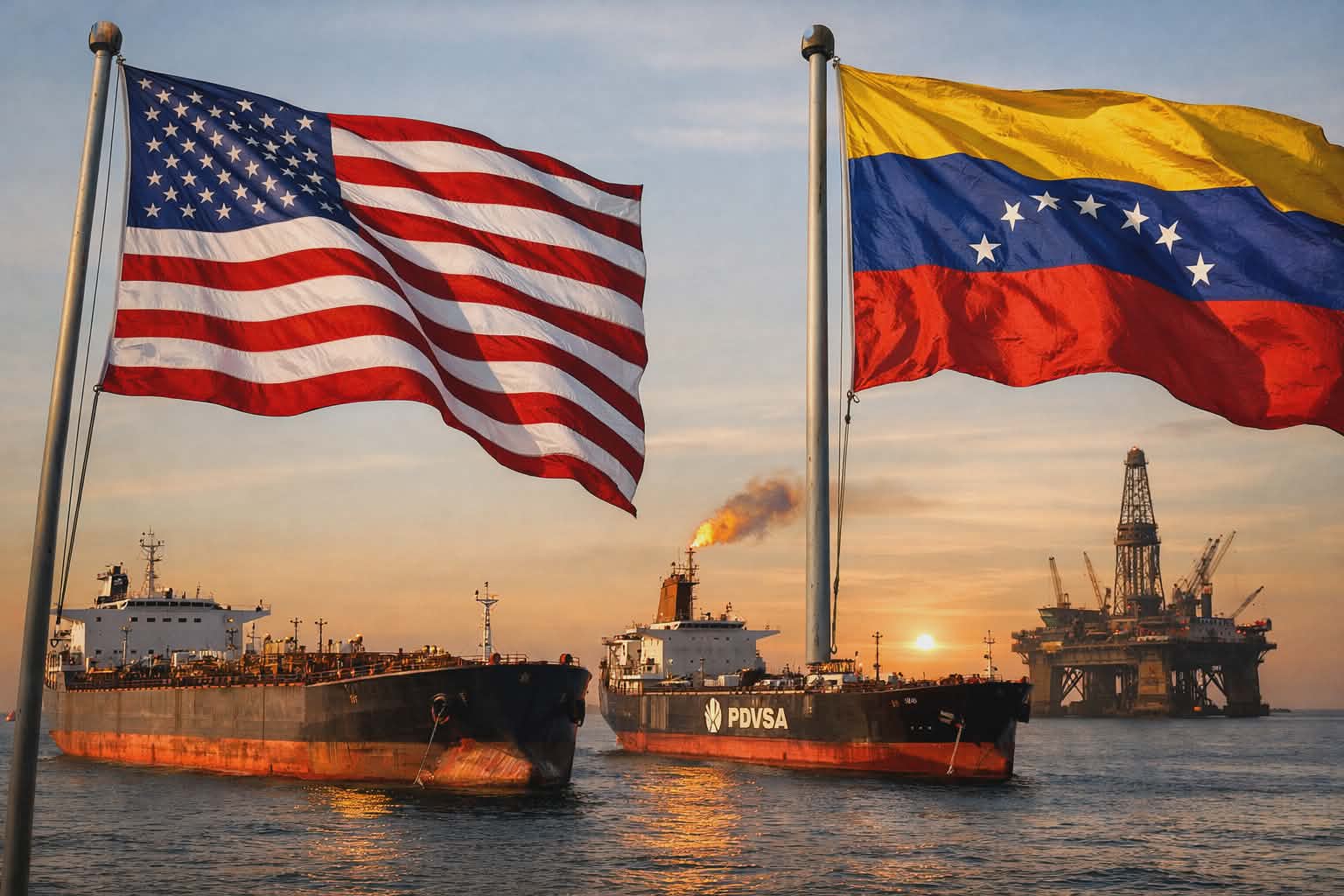
What has unfolded between Caracas and Washington in recent days is not just another energy transaction but a moment that could redefine a long-fractured relationship. Venezuela and the United States have agreed on a deal that will allow up to $2 billion worth of Venezuelan crude oil to be exported to the U.S., an agreement confirmed by U.S. President Donald Trump on January 6, 2026. At its core, the arrangement involves an estimated 30 million to 50 million barrels of oil that have been sitting idle on tankers and in storage because of sanctions and enforcement actions, and it is being promoted by Washington as a move that strengthens U.S. energy security while offering Venezuela a narrow economic opening after years of isolation.
U.S. officials say the oil will be shipped straight to American ports and sold at prevailing market prices, with oversight firmly in Washington’s hands. Energy Secretary Chris Wright has been tasked with supervising how the oil is delivered and sold. President Trump has said the revenue from these sales will be controlled by the U.S. government to ensure it benefits both Americans and Venezuelans, a claim that has immediately raised questions about transparency and about how much of that money will ever be accessible to Venezuela itself.
The agreement comes against a backdrop of sharply heightened tensions. In recent weeks, the United States has intensified pressure on Caracas through a maritime blockade and the seizure of sanctioned oil shipments, actions Venezuelan officials describe as illegal and aimed squarely at the country’s oil wealth. That tension escalated dramatically earlier this month when a U.S. military operation led to the capture of President Nicolás Maduro, a development that has drawn condemnation from Venezuelan authorities and alarm from observers abroad.
From an economic standpoint, the deal is expected to divert oil that would otherwise have gone to China, which has been Venezuela’s main buyer for more than a decade. Venezuelan crude, particularly the heavy Merey blend, has been selling at steep discounts, about $22 per barrel below Brent, reflecting both sanctions risk and the country’s deteriorating production capacity. At those prices, the shipments outlined under the agreement are valued at roughly $1.9 billion, close to the headline figure cited by U.S. officials.
Under existing sanctions, Chevron remains the only major American firm authorized to operate in Venezuela. It has already been exporting around 100,000 to 150,000 barrels per day under special licenses, and U.S. officials have indicated that additional cargoes could be sold to American refiners through auctions or new authorizations involving joint ventures with Venezuela’s state oil company PDVSA. Even so, it remains unclear how PDVSA would gain access to any proceeds, given the ongoing restrictions on dollar transactions.
Financial markets reacted quickly once the news broke, with U.S. crude prices easing as traders priced in the possibility of extra supply. Energy analysts, however, urge caution. They note that while the deal may offer short-term relief for U.S. refiners and some breathing space for Venezuela, deep structural problems remain. Years of underinvestment, aging infrastructure, and shortages of diluents needed to process heavy crude mean that any lasting recovery in Venezuelan oil output is far from assured.
Beyond barrels and prices, the agreement has reopened wider debates about sovereignty, sanctions, and control over natural resources. Critics argue that routing sanctioned Venezuelan oil through U.S. channels under American oversight sets a troubling precedent and raises ethical concerns about who truly benefits. Supporters counter that, if managed responsibly, the deal could help stabilize energy markets and ease humanitarian pressure inside Venezuela.
As preparations begin for shipments and oversight mechanisms take shape, governments and energy markets around the world are watching closely. Whether this agreement becomes a genuine turning point for Venezuela’s long-declining oil sector or simply marks another chapter in an ongoing struggle over its resources remains to be seen.
Latest Articles





Latest News
 Khaleda Zia Dies at 80 as Bangladesh Mourns Its First Female Prime Minister
 Google Finally Lets Users Change Their Gmail Address Without Losing Data
 History Made at MCG as 94,199 Fans Create Biggest Single-Day Crowd in Ashes History
 Facebook Tests £9.99 Monthly Subscription to Limit External Link Sharing
 A Nation’s Farewell: Hundreds of Thousands Gather for Osman Hadi’s Funeral in Dhaka