EU Agrees €90 Billion Loan for Ukraine After Talks Stall on Using Russian Assets
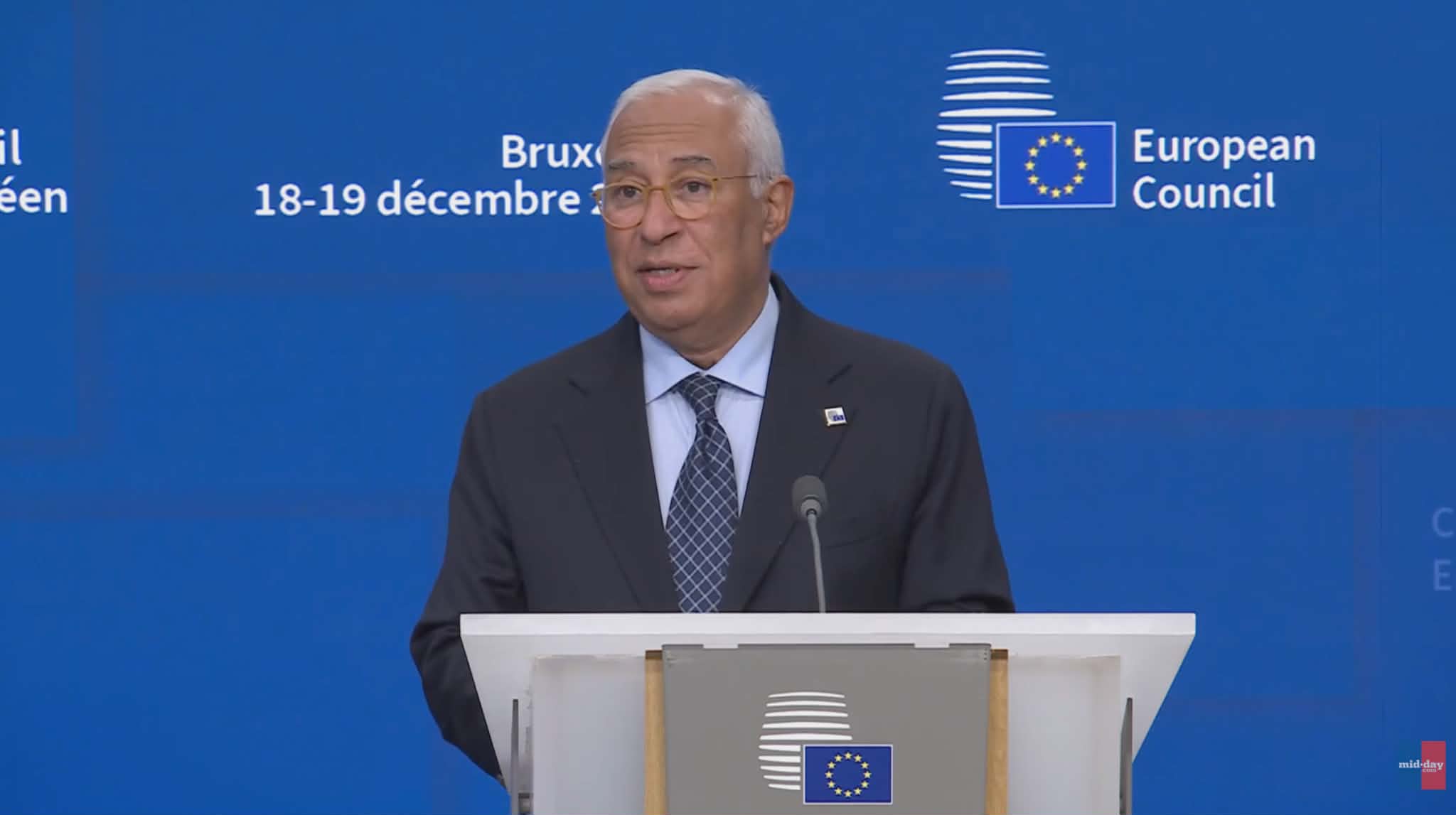
Ukraine has welcomed a major €90 billion financial support package from the European Union, calling it a critical boost as the country continues to fight Russia’s invasion and struggles to keep its economy and state services running. The agreement, reached after intense overnight talks at an EU summit in Brussels, is intended to cover Ukraine’s funding needs through 2026 and 2027 and avert a serious budget crisis that officials in Kyiv warned could emerge by the middle of next year.
Under the deal, the EU will raise the money by issuing joint debt on international markets, with the borrowing backed by the EU budget. This approach was chosen after European leaders failed to reach consensus on a more controversial plan to use frozen Russian state assets as collateral for a so-called reparations loan. Around €210 billion in Russian central bank reserves remain immobilised in Europe, most of them in Belgium, but legal concerns and fears of retaliation ultimately blocked their direct use.
European Council President António Costa described the loan as a clear demonstration of the EU’s long-term commitment to Ukraine, stressing that financial certainty is essential for a country fighting a prolonged war. The package is structured as an interest-free loan, with repayment expected only if Ukraine eventually receives compensation from Russia for war damages. EU officials said this keeps open the possibility that frozen Russian assets could be used in the future, should Moscow refuse to pay reparations.
President Volodymyr Zelenskyy welcomed the decision, thanking European leaders for what he called a decisive show of solidarity. Ukrainian officials said the funding will help ensure the state can continue paying salaries, pensions and essential services, while also supporting the country’s defence efforts at a time when military and economic pressures remain intense.
The negotiations exposed sharp divisions within the EU. Countries such as Germany and France were open to the idea of leveraging frozen Russian assets, but Belgium and several others raised strong objections, citing legal risks and concerns about the long-term credibility of Europe’s financial system. In the end, a compromise was reached through joint borrowing, with Hungary, Slovakia and the Czech Republic choosing not to participate, though they did not block the agreement.
Russia reacted angrily to the broader discussion around its frozen assets. President Vladimir Putin warned that any move to seize or repurpose sovereign reserves would undermine trust in Europe as a safe place to hold international reserves. Russian officials have repeatedly argued that such steps amount to unlawful expropriation, and the EU’s decision to avoid using the assets directly was seen in Moscow as confirmation of those risks.
Despite shelving the reparations-based loan for now, EU leaders made clear that Russian assets will remain frozen and could still play a role in Ukraine’s eventual recovery. With the first funds expected to become available in early 2026, analysts say the €90 billion package will help stabilise Ukraine’s finances and underline the EU’s position as one of Kyiv’s most important backers, even as debates continue within the bloc over how far to go in holding Russia financially accountable for the war.
Latest Articles
 Kafka Was Right: We are All on Trial Now
 “Is It Even Worth It?” - Taste of Cherry and the Quiet Reasons to Keep Going
 Seychelles Beyond the Beaches: The Untold History, Culture, Food, and Life of a Quiet Nation
 FIFA World Cup 2026 Draw: Full Group Breakdown, Teams, and Early Tournament Insights
 The Ashes: A Legendary Cricket Rivalry That Still Sets Hearts on Fire
Latest News
 Gaza Clown Who Lost Entire Family Brings Laughter to Children Amid War
 Osman Hadi will be Remembered as a Fearless Voice of the July Uprising and a Better Bangladesh
 Oscar Shortlists 2026 Revealed: Sinners and Wicked: For Good Lead Across 12 Categories
 Elon Musk Becomes First Person in History Worth Over $600 Billion
 Bondi Beach Terror Attack: Jewish Hanukkah Gathering Targeted in Deadly Sydney Shooting