The Ashes: A Legendary Cricket Rivalry That Still Sets Hearts on Fire
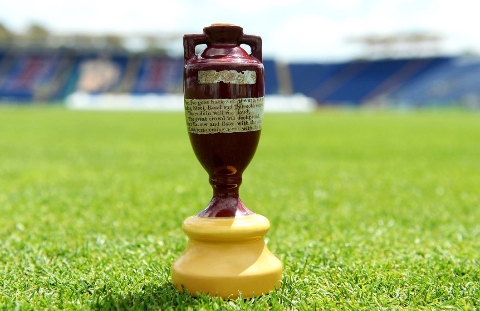
There are some cricket rivalries you watch, and then there is the one you feel. The Ashes is not just a series; it is a living, breathing tradition that has survived for more than a century, growing louder, fiercer, and more irresistible with every generation. Ask any cricket fan—nothing quite shakes the soul like an Ashes summer.
The story of this legendary battle began in 1882, after Australia shocked England at The Oval. One small defeat, one sarcastic newspaper obituary declaring that “English cricket has died, the body will be cremated and the ashes taken to Australia,” and suddenly the sport had a myth. The idea of the “ashes” started as a joke, but when England’s captain Ivo Bligh travelled to Australia vowing to reclaim them, fate had already written the script. A tiny terracotta urn, holding the ashes of a burnt bail, was handed to him. No one imagined this fragile little object would become cricket’s most iconic symbol.
What followed over the next 140+ years was not just sport, but storytelling. Every generation contributed its own drama. Don Bradman’s unstoppable brilliance. Harold Larwood and the explosive Bodyline chapter. Ian Botham’s 1981 miracle that still feels impossible even today. Shane Warne’s “Ball of the Century” that froze time itself. Ricky Ponting’s grit, Andrew Flintoff’s fire, Ben Stokes’ superhuman defiance at Headingley. The Ashes never needed marketing; its heroes marketed it themselves with moments that live forever.
What truly fuels the craze, though, is the emotional grip it has on people. In England, it feels like the whole country tilts slightly whenever an Ashes Test begins. Radios buzz before sunrise, pubs overflow, strangers on trains ask each other for score updates. In Australia, fans rearrange their entire routine around the sessions. Work meetings shift. Alarms ring at bizarre hours. Families who normally disagree on everything suddenly unite when Australia is batting on a tense fourth day. And every time a wicket falls, you can hear collective gasps ripple across cities like a wave.
The hype is not forced. It’s inherited. The Ashes is the kind of rivalry parents pass down to their children the way others pass down old photo albums or family stories. Every series carries a sense of “I’ve seen this before” mixed with “anything can happen this time,” and that unpredictability is what keeps fans glued. One good session can flip the script. One collapse can break millions of hearts. One heroic innings can save a generation’s pride. The tension is addictive, the nostalgia is comforting, and the result always feels personal.
Part of the magic is that the Ashes doesn’t rely on flashy stadium gimmicks or modern cricket fireworks. It thrives on tradition, on long-form drama, on the slow burn of Test cricket where courage is tested not in overs but in hours. You watch a player walk out knowing he might be out for a duck or survive long enough to become a legend by sunset. That kind of uncertainty is rare in today’s world—and deeply compelling.
Even now, when cricket has become crowded with T20 leagues and highlight-driven entertainment, the Ashes stands firm like an ancient monument. It doesn’t need reinvention. It only needs a bowler running in with a new ball and a batter willing to fight five days for a nation’s honour. And millions will tune in, refresh scorecards, argue on social media, lose sleep, win bets, curse the weather, and live the drama all over again.
Maybe that is why the Ashes will never fade. It isn’t just about England versus Australia anymore; it is about memory, identity, rivalry, and the stories we tell ourselves about who we are. The urn might be tiny, fragile, and hidden behind glass at Lord’s, but what it represents is enormous. Every two years, the same question rises like clockwork: Can we win the Ashes back?
And with that one question, the entire cricket world holds its breath—again.
Latest Articles
 FIFA World Cup 2026 Draw: Full Group Breakdown, Teams, and Early Tournament Insights
 Why Bangladesh Is Facing Frequent Earthquakes – Simple Explanation
 Test Twenty: A New Cricket Format Set to Launch in January 2026
 The Future of the Internet Is Here: How Blockchain Might Put Power Back in Our Hands
 Windows 10 support ends Microsoft on October 14, 2025: The End of an Era
Latest News
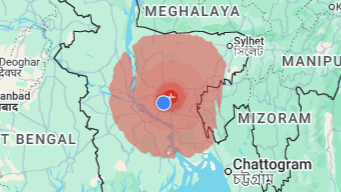 Bangladesh Hit by 5.7 Magnitude Earthquake, Strong Tremors Felt in Dhaka
 Sheikh Hasina Sentenced to Death by Bangladesh Tribunal for 2024 Crackdown
 Israel and Hamas Reach First-Phase Ceasefire Deal, Hope Rises for End to Gaza War
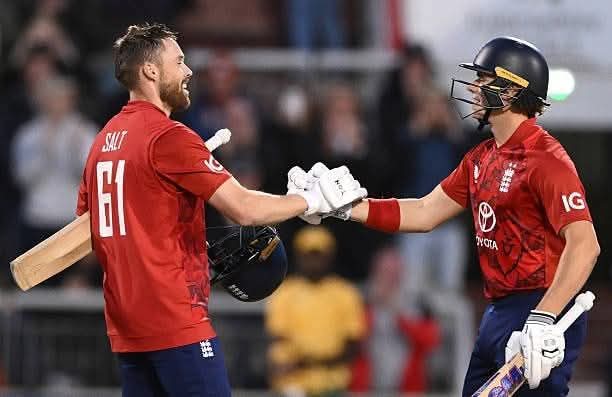 England post record 304/2 to rout South Africa by 146 runs
 Taylor Swift Announces 12th Studio Album The Life of a Showgirl